The back story
Tea among the law books, coffee on West Port: Edinburgh’s cafés, the back story
From the Signet Library’s afternoon tea to West Port’s roasters: how Edinburgh takes its cup.

Photo Credit
Image courtesy of © Acediscovery · CC BY 4.0 via Wikimedia CommonsEdinburgh keeps two rituals side by side. Afternoon tea is poured in a working law library and beneath a railway hotel’s 58-metre clock tower; a few streets away, tea blenders, speciality roasters and sourdough bakers have built a second café city over the past two decades. Here is how the grand rooms and the small counters came to share one capital, and where to sit in each.
The grand rooms
Edinburgh’s grandest cup of tea comes with a clock above it. W. Hamilton Beattie designed the North British Railway’s hotel at the east end of Princes Street, built between 1896 and 1902, with a 58-metre entrance tower carrying large clock faces over Waverley. Today it is The Balmoral, and its Palm Court is the room for afternoon tea: the trains still run below, while upstairs nobody is in a hurry.
Up the hill on Parliament Square, the Colonnades serves afternoon tea inside a working law library. The Signet Library was begun in 1810 to a design by Robert Reid, and its Upper Library was completed in 1822, in time for King George IV’s visit to Edinburgh. Thomas Stothard’s cupola painting there shows Apollo and the Muses in the company of Burns, Shakespeare, Hume and Adam Smith. Few scones keep better-read company.
The library’s owners, the Society of Writers to His Majesty’s Signet, took definite shape in 1594, and the building still works for its living. Because the Colonnades sits in a working law library, its kitchen cannot cater for every diet; bookings open only three months ahead, and some Saturdays close for weddings. Ceremony, here, has always come with rules.
A city of leaf
Tea in Edinburgh is not only poured; it is blended. Eteaket, a Scottish speciality tea company, has blended loose-leaf tea in the city since 2008 and is celebrating its 18th birthday. Its shelves of tins and teapots make the case for turning a tea break into a real break, which in a city of steep closes and sudden showers is less a slogan than a survival strategy.
The roasters arrive
Then came the coffee. Cairngorm Coffee was founded in 2014 around a kitchen table in Newtonmore, in the Highlands, with a simple aim: the best coffee it could make, without alienating anyone. Its sandstone shopfront on Melville Place is now a neighbourhood ritual, the Highland name looking faintly surprised to find itself on a Georgian street.
Fortitude Coffee roasts in Edinburgh and buys with a long memory: it is in its seventh year of buying from the Shyira washing station in Rwanda, built in 2017 at 2,000 metres. Lovecrumbs, on West Port since 2012, takes its coffee from Papercup in Glasgow, is known for its layer cakes and keeps weekends laptop-free: a café for conversation rather than spreadsheets.
The trains still run below, while upstairs nobody is in a hurry.
The bakers’ hours
The bakeries brought patience. Twelve Triangles works entirely with cold, slow-fermented sourdough on a three- or four-day cycle, every loaf shaped by hand: bread that takes longer to make than many visitors stay. Söderberg bakes Swedish buns, bread and pastries daily on site, and Mimi’s Bakehouse, family-run since 2010, began in Leith with the cakes, traybakes and afternoon teas that made its name.
Something sweet
On the Grassmarket, Mary’s Milk Bar is the city’s most cheerful detour. Mary, a former chocolatier from Yorkshire, trained at the Carpigiani Gelato University in Bologna and makes the gelato every morning until 11am, so the flavours change daily and can sell out in summer. Locals take their scoops to Granny Green’s Steps, under the castle. The shop hibernates from 24 December 2026 to 16 February 2027.
So which ritual wins? Neither. The grand rooms sell time and a sense of occasion; the small counters sell craft and a seat among regulars. Edinburgh has room for both because it has always lived on two levels, and a morning that starts with a flat white on a side street can quite properly end with a tiered stand on Princes Street.
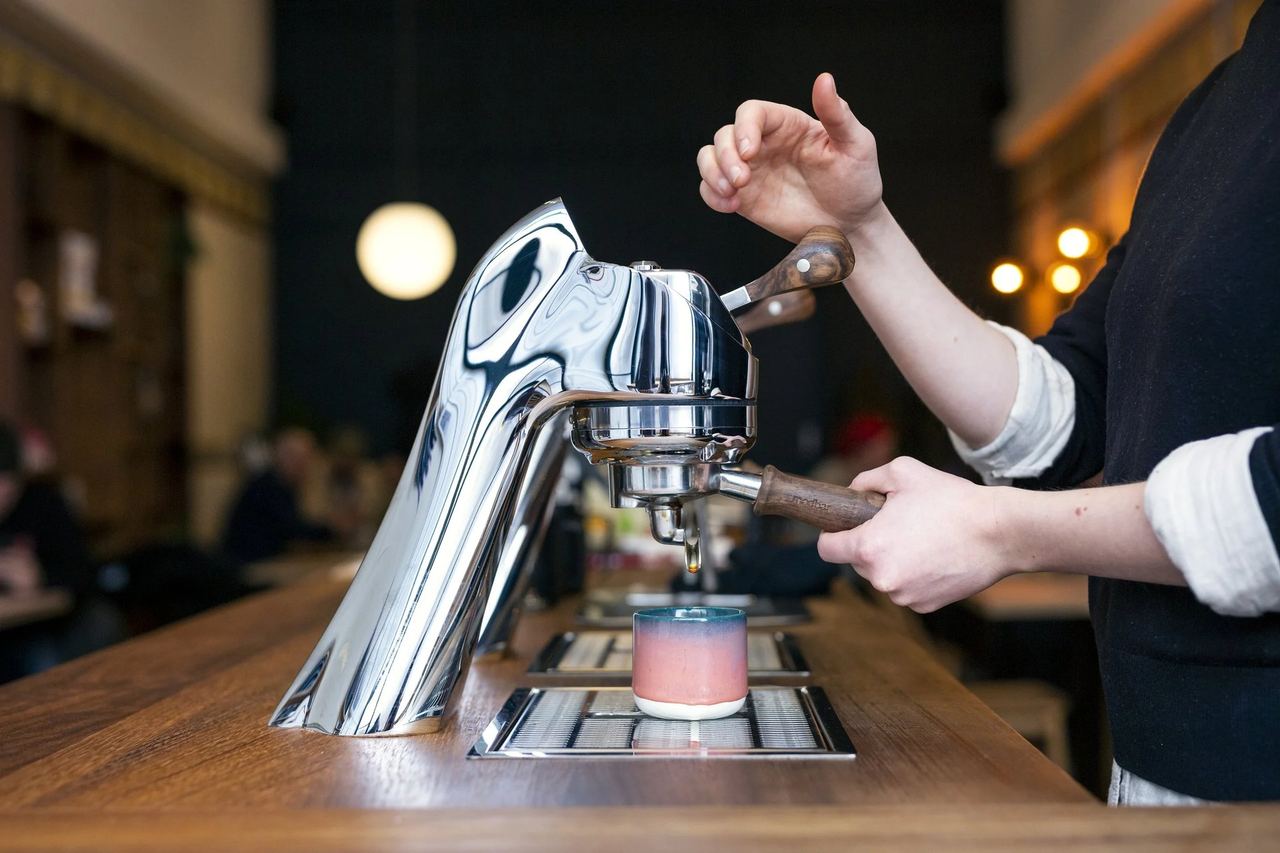
Photo Credit
Image courtesy of © Fortitude CoffeeOur advice: book afternoon tea well ahead, especially at weekends and in December, and check the Colonnades’ Saturday closures before you set your heart on one. Lovecrumbs takes no bookings, so go early at weekends; reach Mary’s Milk Bar early in summer, before the best flavours sell out. Bakeries are at their best in the morning, while the bread is new.
Why it's on our list
- The grand rooms
- A city of leaf
- The roasters arrive
- The bakers’ hours
Location
The map comes from Google Maps, which sets its own cookies once it loads.
More in depth
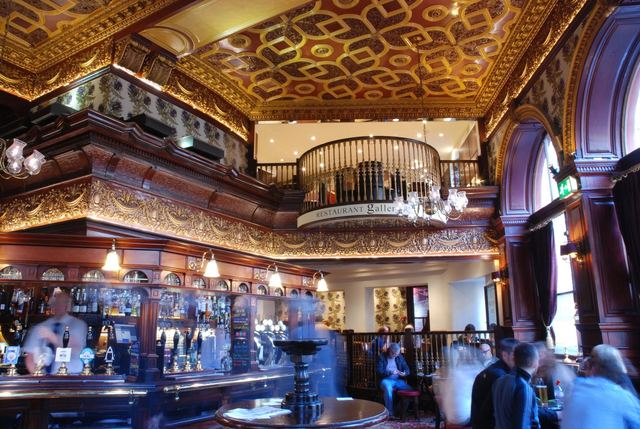 The back storyGilded ceilings and single casks: Edinburgh’s drinking culture, the back storyTemperance-era palaces, a gas showroom turned oyster bar and a 1787 bond: how Edinburgh drinks.The back storyEdinburgh’s grand hotels, from the Balmoral clock to the WitcheryFrom the Balmoral to Prestonfield: where to stay.
 The back storyEdinburgh, a city of two townsThe medieval Old Town and Georgian New Town, a World Heritage Site.